
Design as Intention: What We’re Building Toward

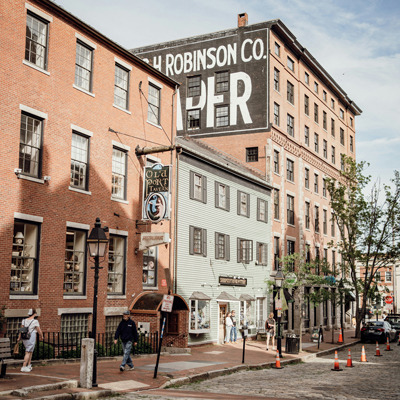
Design is often understood through what we can see: buildings, spaces, materials, and forms. But long before anything is constructed, design begins as intention. It starts with the questions we ask, the values we prioritize, and the people we imagine inhabiting a space long after the work is complete.
At its best, design is not only about appearance or innovation. It is about care. Care for people. Care for the place. Care for what endures.
As we look ahead to 2026, this idea of design as intention feels especially relevant. Across Maine and beyond, conversations about the built environment are expanding. Design is increasingly understood not just as a professional practice, but as a civic one that shapes how we live, gather, move, and feel a sense of belonging.
This inaugural Architalx reflection is an invitation to pause and consider what we are designing toward.
Looking Ahead: Emerging Design Intentions
Rather than focusing on specific projects or stylistic movements, it can be helpful to look at the broader intentions that are beginning to surface. These are not trends in the conventional sense, but shared orientations that reflect where attention and care are being placed.
Designing for longevity
There is growing interest in durability and adaptability. Spaces are being considered not only for how they look today, but for how they can age, evolve, and remain relevant over time.
Design grounded in context and place
From climate responsiveness to cultural awareness, intention increasingly begins with listening. Design becomes less about imposing form and more about responding thoughtfully to land, history, and community.
Human-centered environments
Accessibility, comfort, and dignity are becoming central considerations. This includes who feels welcome in a space, whose needs are considered early, and how environments support everyday life.
Responsibility to the future
Environmental care is no longer a parallel conversation. It is embedded in how decisions are made, prompting questions not only about what can be built, but why and how.
Together, these intentions suggest a more reflective and values-driven approach to design.
What Enduring Spaces Teach Us
Some places stay with us. Not because they are the most visually striking, but because they feel considered. We return to them. We remember them. They become part of our shared experience.
When we look at enduring spaces across Maine, whether public, cultural, or residential, we can often sense the intention behind them. Thoughtfulness in how a building meets the landscape. Care in how it supports gathering. Restraint that allows the environment and the people within it to take the lead.
These spaces remind us that good design does not demand attention. It supports use, invites interpretation, and leaves room for life to unfold.
Voices from the Architalx Community
Across Architalx lectures, conversations, and informal exchanges, certain philosophies continue to emerge. While each speaker brings a distinct perspective, there is shared ground in how designers talk about their work.
Design is often described as a process of asking better questions. As a responsibility not only to clients, but to communities. As an ongoing practice rooted in curiosity, listening, and care.
These perspectives reinforce the idea that design intention is not fixed. It evolves through dialogue, reflection, and openness to change.
Architalx exists to support these conversations, not to define a single point of view, but to create space for exchange across disciplines, experiences, and ways of thinking.
Cultivating an Intentional Design Community
Design does not happen in isolation. It is shaped by educators, clients, builders, students, policymakers, neighbors, and the communities who ultimately live with the results. In places like Portland, where scale allows for connection and conversation, there is a meaningful opportunity to cultivate a design culture rooted in intention and inclusion.
One that values participation over exclusivity, learning over certainty, and dialogue over quick conclusions.
An intentional design community is not defined by agreement, but by engagement. By a willingness to listen across differences and to make room for emerging voices alongside established ones.
An Ongoing Invitation
Design intention does not end when construction begins, and it does not end when a building is complete. It continues through how spaces are used, adapted, questioned, and cared for.
As Architalx looks ahead, this blog is intended as a place to explore those questions together. To reflect on design as a cultural practice. To connect the built environment to the broader human context in which it exists.
Beginning this April, Architalx’s lecture series will continue this conversation in person, bringing together voices from across the design community to share perspectives, challenge assumptions, and explore how intention shapes the spaces we inhabit. We look forward to learning alongside one another.
Because before we build anything, we decide what matters.
And that decision is worth making with intention.